

As temperatures rise during the summer months, millions of Americans head to beaches, lakes, and coastal waters to cool off. While water activities are generally safe and enjoyable, health experts warn that certain bacteria found in warm water environments can pose serious health risks.
One of the most concerning infections is caused by bacteria commonly referred to as “flesh-eating bacteria.” Although these infections are rare, they can become life-threatening if not treated quickly.
Here’s what you need to know about flesh-eating bacteria, who is at risk, the warning signs to watch for, and how to stay safe.
Key Takeaways
* Flesh-eating bacteria are rare but potentially life-threatening.
* Certain bacteria can enter the body through cuts, scrapes, or open wounds.
* Warm coastal waters and seafood environments may increase exposure risk.
* Early symptoms often include redness, swelling, pain, fever, and skin changes.
* Immediate medical treatment is critical for the best outcomes.
* People with weakened immune systems or chronic health conditions face higher risks.
* Simple precautions can significantly reduce the likelihood of infection.
What Are Flesh-Eating Bacteria?
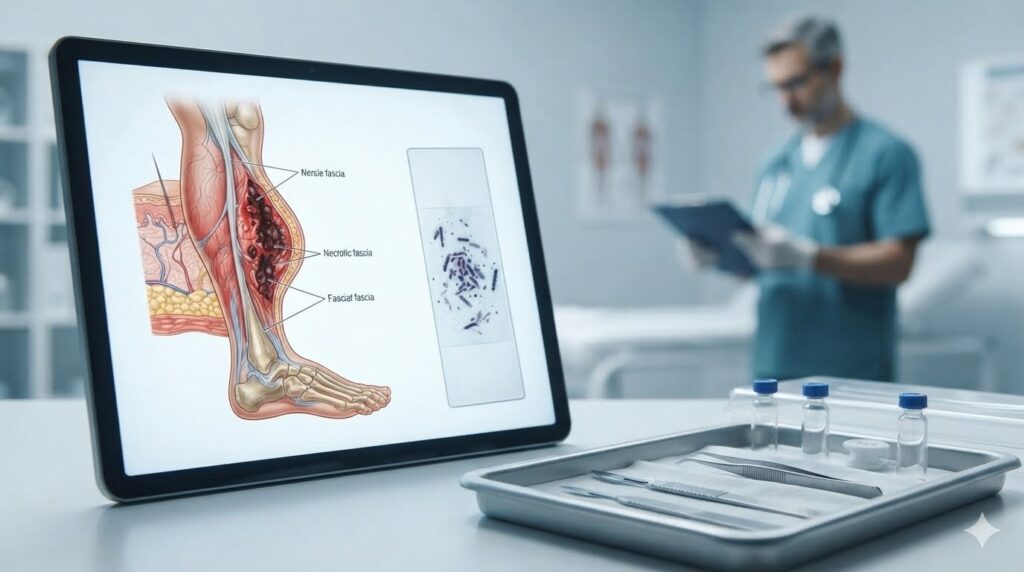
The term “flesh-eating bacteria” typically refers to bacteria that can cause severe soft tissue infections, including necrotizing fasciitis. These infections destroy skin, fat, and tissue beneath the skin at a rapid rate.
Several types of bacteria can cause these infections, but some water-related cases are linked to Vibrio species that naturally live in warm coastal waters.
Despite the alarming nickname, the bacteria do not literally “eat” flesh. Instead, they release toxins that damage surrounding tissue and trigger severe inflammation.
Where Are These Bacteria Found?
Flesh-eating bacteria can be found in:
* Warm coastal waters
* Saltwater environments
* Brackish water (a mix of saltwater and freshwater)
* Raw or undercooked seafood
* Marine environments during hotter months
The risk generally increases during periods of warmer water temperatures.
How Infection Happens
Most infections occur when bacteria enter the body through:
* Open cuts
* Scrapes
* Surgical wounds
* Insect bites
* Piercings or skin injuries
People can also become infected after handling contaminated seafood or consuming raw shellfish in some cases.
Symptoms of Flesh-Eating Bacterial Infections
Symptoms can develop quickly and may worsen within hours.
Early Symptoms
* Redness around a wound
* Swelling
* Warm skin
* Severe pain that seems worse than the wound appears
* Fever
* Chills
Advanced Symptoms
* Skin discoloration
* Blisters
* Tissue damage
* Extreme fatigue
* Low blood pressure
* Confusion or dizziness
Anyone experiencing these symptoms after water exposure should seek emergency medical care immediately.
Who Is Most at Risk?
Although anyone can become infected, higher-risk groups include:
* Older adults
* People with diabetes
* Individuals with liver disease
* Those with weakened immune systems
* Cancer patients
* Organ transplant recipients
* People with chronic kidney disease
Healthy individuals can still become infected, but severe cases are more common among vulnerable populations.
How Doctors Treat Flesh-Eating Infections
Treatment usually involves:
Antibiotics
Doctors often begin aggressive intravenous (IV) antibiotic therapy immediately after diagnosis.
Surgery
In severe cases, surgeons may need to remove damaged tissue to stop the infection from spreading.
Hospital Care
Many patients require intensive medical monitoring, especially if complications such as sepsis develop.
Early diagnosis dramatically improves survival rates and recovery outcomes.
How to Protect Yourself
Fortunately, there are several practical ways to reduce your risk.
Avoid Water Exposure With Open Wounds
Do not swim in oceans, bays, or coastal waters if you have:
* Fresh cuts
* Scrapes
* Surgical wounds
* Healing tattoos
Cover Wounds Properly
Use waterproof bandages if water exposure cannot be avoided.
Wash Injuries Immediately
If a cut comes into contact with seawater, wash it thoroughly with clean soap and water.
Handle Seafood Safely
* Wear gloves when handling raw seafood.
* Avoid exposing open wounds to shellfish or fish.
* Cook seafood thoroughly.
Seek Medical Attention Early
Do not ignore unusual redness, swelling, or severe pain after water exposure.
Are Flesh-Eating Bacteria Common?
No. These infections remain extremely rare in the United States.
However, public health officials continue to monitor cases because infections can progress rapidly and may become fatal without prompt treatment.
The overall risk for beachgoers remains low, but awareness and prevention are important, especially during warmer seasons.
Frequently Asked Questions
Can you get flesh-eating bacteria from the beach?
Yes, but it is uncommon. Infection usually occurs when bacteria enter through an open wound after exposure to contaminated water.
What are the first signs of flesh-eating bacteria?
Early symptoms often include severe pain, redness, swelling, fever, and skin warmth near an injury.
Is it safe to swim in the ocean?
For most healthy people, swimming is safe. Avoid entering the water if you have open wounds or compromised skin.
Can flesh-eating bacterial infections be cured?
Yes. Early diagnosis, antibiotics, and surgical treatment when necessary can significantly improve outcomes.
Final Thoughts
Flesh-eating bacterial infections are rare, but they are serious medical emergencies that require immediate attention. Understanding how these infections occur, recognizing early warning signs, and taking simple preventive measures can help keep you safe while enjoying beaches, coastal waters, and outdoor activities.
For most people, the risk remains very low. However, staying informed and protecting open wounds can go a long way toward preventing potentially dangerous infections.
Sources: Information in this article is based on data and guidance from the World Health Organization (WHO), Centers for Disease Control and Prevention (CDC), National Institutes of Health (NIH), and published medical research.
Medical Disclaimer: This article is intended for informational purposes only and should not be considered medical advice. Always consult a qualified healthcare professional or licensed physician before making any health-related decisions.