Chronic inflammation is linked to many common health conditions, including heart disease, type 2 diabetes, arthritis, obesity, and certain cancers. While inflammation is your body’s natural response to injury or infection, ongoing inflammation can quietly damage tissues over time.
One of the most effective ways to fight chronic inflammation is through your daily diet. An anti-inflammatory diet emphasizes whole, nutrient-rich foods that help reduce inflammation while limiting processed foods that may increase it.
This guide explains what an anti-inflammatory diet is, its health benefits, the best foods to include, foods to avoid, and practical tips for getting started.
What Is an Anti Inflammatory Diet?
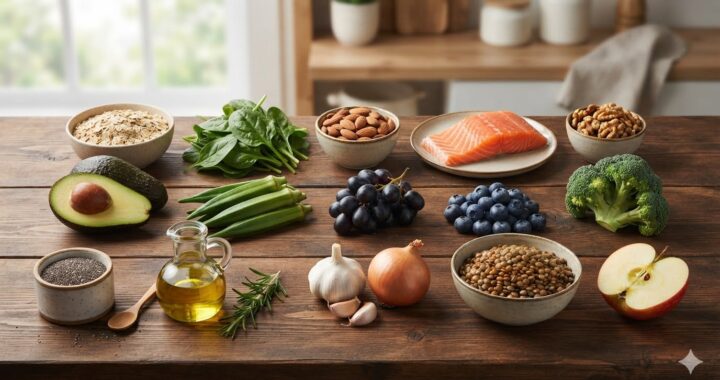
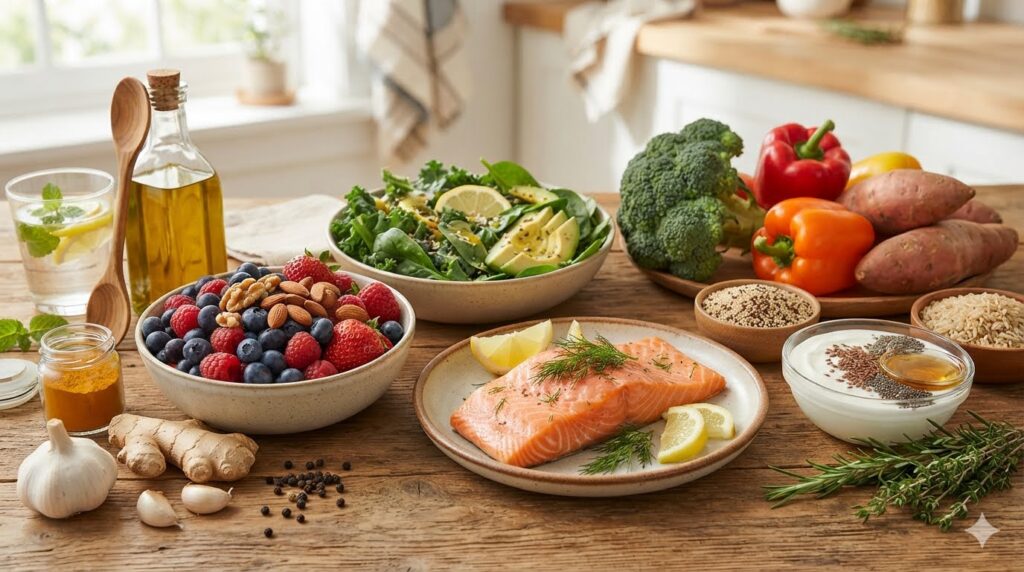
An anti-inflammatory diet is a long-term eating pattern focused on foods that naturally reduce inflammation throughout the body. Rather than being a strict diet, it’s a balanced lifestyle that prioritizes:
* Fruits and vegetables
* Whole grains
* Healthy fats
* Lean proteins
* Nuts and seeds
* Herbs and spices
* Plenty of water
Many experts consider the Mediterranean diet one of the best examples of an anti-inflammatory eating pattern.
Signs of Chronic Inflammation
Although chronic inflammation often develops silently, some people may experience:
* Persistent fatigue
* Joint pain or stiffness
* Frequent headaches
* Digestive discomfort
* Skin problems
* Brain fog
* Difficulty recovering from illness
* Weight gain
If symptoms persist, consult a healthcare professional for proper evaluation.
Health Benefits of an Anti-Inflammatory Diet
1. Supports Heart Health
Foods rich in healthy fats, fiber, and antioxidants may help lower inflammation associated with cardiovascular disease.
2. Helps Maintain a Healthy Weight
Whole foods are generally more filling and nutrient-dense, making it easier to manage calorie intake naturally.
3. Improves Blood Sugar Control
High-fiber foods slow digestion and may help reduce blood sugar spikes.
4. Supports Brain Function
Omega-3 fatty acids and antioxidant-rich foods may support memory, focus, and long-term brain health.
5. Reduces Joint Pain
Some people with arthritis report reduced discomfort after consistently following an anti-inflammatory eating plan.
6. Promotes Better Gut Health
Fiber-rich foods nourish beneficial gut bacteria, which play an important role in regulating inflammation.
Best Foods to Eat on an Anti-Inflammatory Diet
Fruits
* Blueberries
* Strawberries
* Cherries
* Oranges
* Apples
* Grapes
Vegetables
* Spinach
* Kale
* Broccoli
* Brussels sprouts
* Bell peppers
* Tomatoes
Healthy Fats
* Extra virgin olive oil
* Avocados
* Olives
Fatty Fish
Aim for at least two servings weekly:
* Salmon
* Sardines
* Mackerel
* Trout
* Tuna
Whole Grains
* Oatmeal
* Brown rice
* Quinoa
* Whole wheat
* Barley
Nuts and Seeds
* Walnuts
* Almonds
* Pistachios
* Chia seeds
* Flaxseeds
Beans and Legumes
* Lentils
* Chickpeas
* Black beans
* Kidney beans
Herbs and Spices
* Turmeric
* Ginger
* Garlic
* Cinnamon
* Rosemary
Foods That May Increase Inflammation
Try limiting:
* Sugary drinks
* Candy
* White bread
* Pastries
* Deep-fried foods
* Processed meats
* Fast food
* Excess alcohol
* Highly processed snack foods
* Foods containing trans fats
Sample One-Day Anti-Inflammatory Meal Plan
Breakfast
Greek yogurt topped with blueberries, walnuts, and chia seeds.
Morning Snack
Apple slices with natural almond butter.
Lunch
Grilled salmon with quinoa and roasted broccoli.
Afternoon Snack
Carrot sticks with hummus.
Dinner
Grilled chicken breast with brown rice, spinach salad, avocado, tomatoes, and olive oil dressing.
Dessert
Fresh berries.
Anti-Inflammatory Drinks
Healthy beverage options include:
* Green tea
* Black tea
* Water
* Sparkling water
* Unsweetened herbal tea
* Coffee (in moderation)
Simple Lifestyle Habits That Reduce Inflammation
Diet works best when combined with healthy daily habits.
* Exercise at least 150 minutes each week.
* Sleep 7–9 hours nightly.
* Manage stress through meditation or deep breathing.
* Avoid smoking.
* Stay hydrated.
* Maintain a healthy body weight.
—
Frequently Asked Questions
What is the best anti-inflammatory food?
There isn’t one single best food, but berries, leafy greens, salmon, olive oil, walnuts, and turmeric are among the healthiest choices.
How long does it take to reduce inflammation?
Some people notice improvements within a few weeks, while long-term benefits usually come from consistently following healthy eating habits for several months.
Can an anti-inflammatory diet help with weight loss?
Yes. Because it emphasizes whole, filling foods, many people naturally consume fewer calories and improve weight management.
Is coffee inflammatory?
For most healthy adults, moderate coffee consumption is generally not considered inflammatory and may even provide antioxidant benefits.
Final Thoughts
An anti-inflammatory diet is one of the most sustainable ways to improve long-term health. By choosing nutrient-rich foods like vegetables, fruits, whole grains, healthy fats, and lean proteins while limiting processed foods and added sugars, you can support your body’s natural defenses against chronic inflammation.
Remember that lasting health comes from consistent daily habits rather than quick fixes. Start by making small changes, such as adding more vegetables to your meals or replacing sugary snacks with fresh fruit and nuts. Over time, these simple adjustments can make a meaningful difference in your overall well-being.