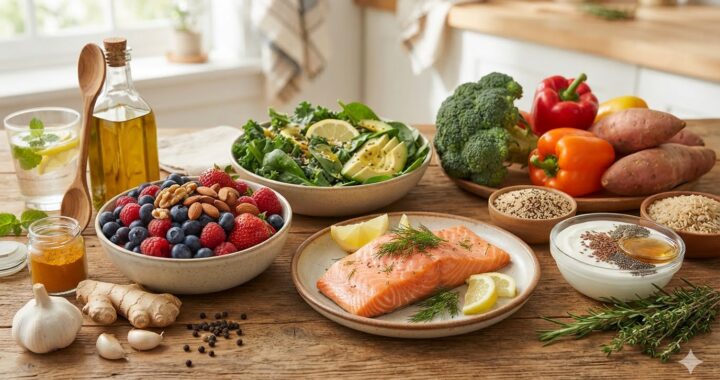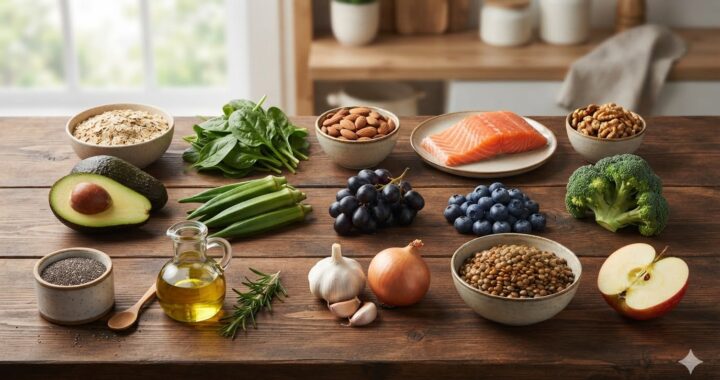

Aging is a natural part of life, but the foods you eat can play a major role in how well your body ages over time. Nutrient-dense foods rich in antioxidants, vitamins, minerals, healthy fats, and plant compounds can help protect cells from damage, support brain function, improve skin health, and reduce the risk of chronic diseases.
If you’re looking to maintain your health and vitality as you age, consider adding these anti-aging foods to your daily diet.
Key Takeaways
* Antioxidant-rich foods help combat oxidative stress, a major contributor to aging.
* Healthy fats support heart health, brain function, and youthful-looking skin.
* Fruits and vegetables provide essential vitamins, minerals, and plant compounds.
* Regular consumption of nutrient-dense foods may help lower the risk of age-related diseases.
* A balanced diet combined with exercise and healthy lifestyle habits offers the best anti-aging benefits.
1. Extra Virgin Olive Oil
Extra virgin olive oil is one of the healthiest fats available. It contains powerful antioxidants and anti-inflammatory compounds that may help reduce the risk of heart disease and support healthy aging.
Benefits:
* Supports heart health
* Helps reduce inflammation
* May improve skin elasticity
2. Blueberries
Blueberries are packed with antioxidants known as anthocyanins, which help protect cells from damage caused by free radicals.
Benefits:
* Supports brain function
* Promotes heart health
* May help slow age-related cognitive decline
3. Fatty Fish
Fish such as salmon, sardines, mackerel, and trout are rich in omega-3 fatty acids.
Benefits:
* Supports brain health
* Reduces inflammation
* Promotes healthy skin
4. Avocados
Avocados contain heart-healthy monounsaturated fats, fiber, and essential nutrients.
Benefits:
* Supports skin hydration
* Promotes cardiovascular health
* Provides antioxidants that protect cells
5. Green Tea
Green tea contains polyphenols and catechins, powerful antioxidants linked to healthy aging.
Benefits:
* Protects against oxidative stress
* Supports metabolism
* May help reduce the risk of chronic diseases
6. Dark Chocolate
High-quality dark chocolate contains flavonoids that may support cardiovascular and skin health.
Benefits:
* Improves blood circulation
* Supports heart health
* Helps protect skin from environmental damage
7. Nuts
Almonds, walnuts, pistachios, and other nuts are excellent sources of healthy fats, protein, and antioxidants.
Benefits:
* Supports brain function
* Promotes heart health
* May reduce inflammation
8. Leafy Green Vegetables
Spinach, kale, Swiss chard, and other leafy greens are rich in vitamins and antioxidants.
Benefits:
* Supports eye health
* Strengthens immune function
* Helps protect cells from damage
9. Pomegranates
Pomegranates are loaded with antioxidants and plant compounds that may help protect against age-related damage.
Benefits:
* Supports heart health
* Promotes healthy skin
* May reduce inflammation
10. Sweet Potatoes
Sweet potatoes provide beta-carotene, which the body converts into vitamin A.
Benefits:
* Supports healthy skin
* Promotes eye health
* Provides immune support
11. Tomatoes
Tomatoes are rich in lycopene, a powerful antioxidant associated with skin and heart health.
Benefits:
* Helps protect skin from UV damage
* Supports cardiovascular health
* Reduces oxidative stress
12. Broccoli
Broccoli contains vitamins C and K, fiber, and beneficial plant compounds.
Benefits:
* Supports bone health
* Provides powerful antioxidants
* Promotes healthy aging
13. Turmeric
Turmeric contains curcumin, a compound known for its anti-inflammatory and antioxidant properties.
Benefits:
* Helps fight inflammation
* Supports brain health
* May protect against age-related diseases
14. Red Grapes
Red grapes contain resveratrol, a plant compound that has been studied for its potential anti-aging effects.
Benefits:
* Supports heart health
* Protects cells from damage
* May contribute to longevity
15. Beans and Legumes
Beans, lentils, and chickpeas provide plant-based protein, fiber, and essential nutrients.
Benefits:
* Supports digestive health
* Helps maintain stable blood sugar levels
* Promotes healthy aging
How Diet Influences Aging
The aging process is influenced by genetics, lifestyle, and environmental factors. While no food can stop aging, a diet rich in whole foods can help reduce oxidative stress and chronic inflammation, two key factors associated with age-related diseases.
Combining nutrient-dense foods with regular exercise, quality sleep, stress management, and avoiding smoking can significantly improve long-term health and longevity.
Frequently Asked Questions
What is the best food for anti-aging?
There is no single best anti-aging food. A combination of fruits, vegetables, healthy fats, lean proteins, and antioxidant-rich foods offers the greatest benefits.
Can diet really slow aging?
While diet cannot stop aging, healthy eating habits may help reduce cellular damage, lower inflammation, and decrease the risk of chronic diseases associated with aging.
Which foods are best for younger-looking skin?
Foods rich in antioxidants and healthy fats, such as blueberries, avocados, salmon, olive oil, and tomatoes, may help support healthier skin.
Final Thoughts
Healthy aging starts with everyday choices, and your diet is one of the most important factors you can control. By regularly including antioxidant-rich fruits, vegetables, healthy fats, and nutrient-dense whole foods in your meals, you can support your heart, brain, skin, and overall well-being for years to come.
A balanced lifestyle combined with these science-backed anti-aging foods can help you stay healthier, more active, and vibrant as you age.
Sources: Information in this article is based on data and guidance from the World Health Organization (WHO), Centers for Disease Control and Prevention (CDC), National Institutes of Health (NIH), and published medical research.
Medical Disclaimer: This article is intended for informational purposes only and should not be considered medical advice. Always consult a qualified healthcare professional or licensed physician before making any health-related decisions.