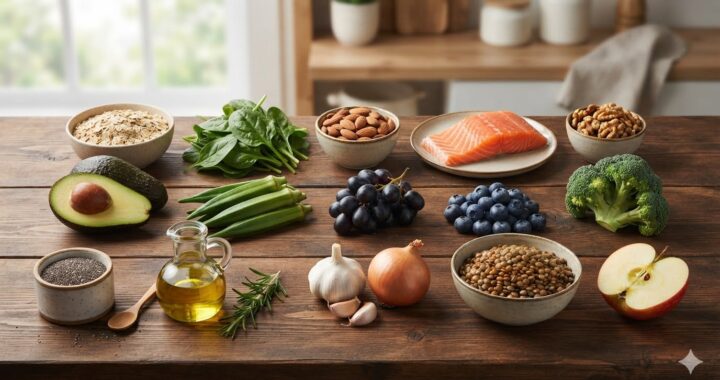

If you’ve been trying to lose weight through diet and exercise but aren’t seeing the results you expect, your gut health may be playing a bigger role than you realize.
Over the last decade, research has shown that the trillions of bacteria living in your digestive system—known as the **gut microbiome**—can influence everything from digestion and metabolism to hunger, inflammation, and body weight.
While improving gut health isn’t a magic solution for weight loss, maintaining a healthy gut can make it easier to reach and maintain a healthy weight.
What Is Gut Health?
Gut health refers to the balance of microorganisms living in your digestive tract. A healthy gut contains a diverse community of beneficial bacteria that help:
* Break down food efficiently
* Absorb nutrients
* Produce essential vitamins
* Support the immune system
* Protect against harmful bacteria
* Regulate inflammation
When this balance is disrupted, digestive issues and metabolic problems may develop.
How Gut Health May Support Weight Loss
1. Helps Regulate Appetite
Healthy gut bacteria produce compounds that communicate with your brain and influence hunger hormones such as **ghrelin** and **leptin**.
A balanced microbiome may help you:
* Feel full longer
* Reduce cravings
* Eat fewer calories naturally
2. Improves Digestion
Efficient digestion allows your body to process nutrients properly while reducing bloating and digestive discomfort.
Better digestion doesn’t directly burn fat, but it helps your body function more effectively.
3. Supports a Healthy Metabolism
Certain gut bacteria help produce **short-chain fatty acids (SCFAs)**, which may:
* Improve insulin sensitivity
* Support fat metabolism
* Reduce inflammation
* Help regulate blood sugar
These factors can contribute to better long-term weight management.
4.Reduces Chronic Inflammation
Poor gut health has been linked to low-grade chronic inflammation.
Inflammation may interfere with hormones involved in metabolism and increase the risk of obesity and metabolic disease.
Supporting gut health may help reduce inflammatory responses.
Best Foods for a Healthy Gut
If you want to improve your gut microbiome, include more of these foods in your diet:
High-Fiber Foods
Fiber feeds beneficial gut bacteria.
Examples include:
* Oats
* Apples
* Berries
* Broccoli
* Carrots
* Lentils
* Beans
* Whole grains
Fermented Foods
These contain beneficial bacteria that may improve gut diversity.
Examples:
* Yogurt with live cultures
* Kefir
* Sauerkraut
* Kimchi
* Miso
* Tempeh
Prebiotic Foods
Prebiotics are fibers that nourish healthy gut bacteria.
Good sources include:
* Garlic
* Onions
* Leeks
* Bananas
* Asparagus
* Chicory root
Healthy Fats
Healthy fats may help reduce inflammation.
Choose:
* Salmon
* Walnuts
* Chia seeds
* Flaxseeds
* Olive oil
* Avocados
Lifestyle Habits That Improve Gut Health
Healthy eating is only part of the equation.
You can also support your gut by:
* Drinking plenty of water
* Exercising regularly
* Sleeping 7–9 hours each night
* Managing stress
* Avoiding unnecessary antibiotics
* Limiting ultra-processed foods and added sugars
Can Probiotics Help You Lose Weight?
Some studies suggest certain probiotic strains may have a small positive effect on body weight.
However, probiotics alone are unlikely to produce significant weight loss.
The greatest benefits occur when probiotics are combined with:
* A balanced diet
* Regular physical activity
* Adequate sleep
* Consistent healthy habits
Common Signs of Poor Gut Health
You may want to pay closer attention to your gut if you frequently experience:
* Bloating
* Constipation
* Diarrhea
* Excess gas
* Frequent sugar cravings
* Fatigue
* Poor digestion
Persistent symptoms should be evaluated by a healthcare professional.
The Bottom Line
A healthy gut won’t cause weight loss overnight, but it can create a stronger foundation for lasting results. A balanced gut microbiome supports digestion, appetite regulation, metabolism, and overall wellness—all of which can make maintaining a healthy weight easier.
The best strategy is simple: eat plenty of fiber-rich whole foods, include fermented foods regularly, stay active, manage stress, and get enough sleep. Small, consistent habits often have the greatest long-term impact on both gut health and weight management.