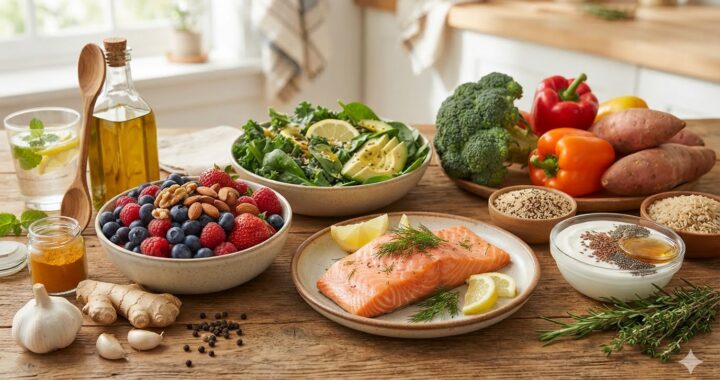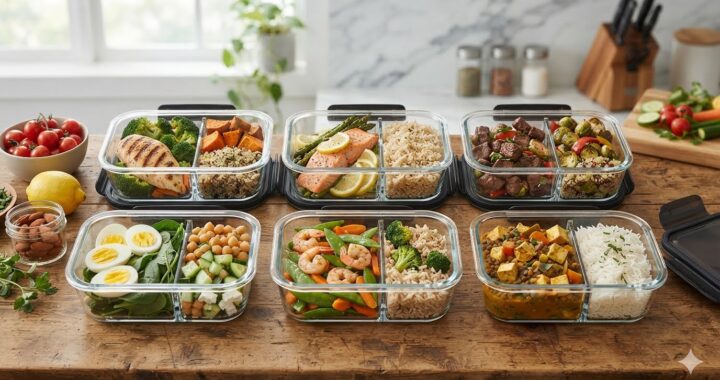

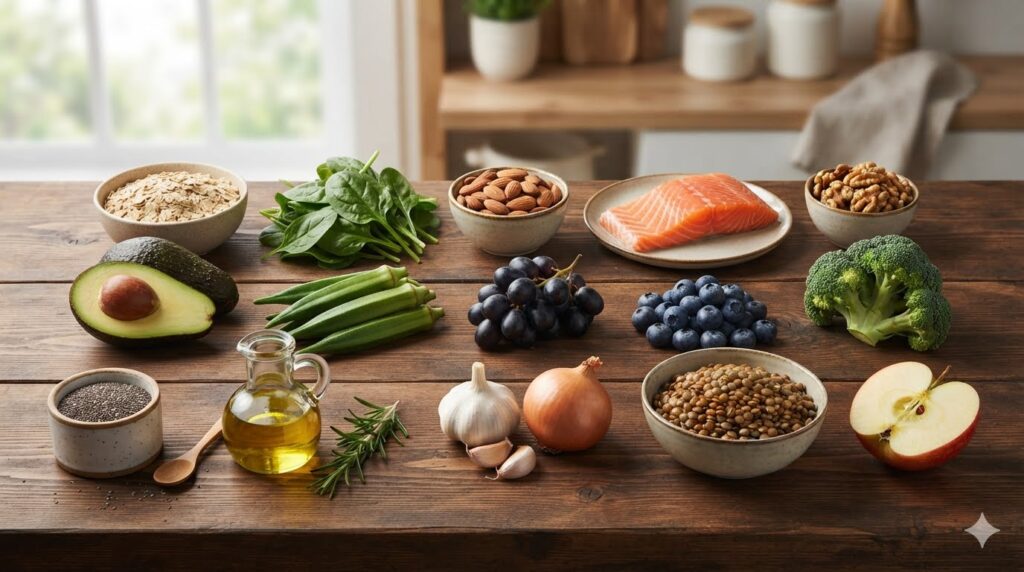
High cholesterol is one of the leading risk factors for heart disease, but the good news is that your diet can make a significant difference. Choosing the right foods can help lower LDL (“bad”) cholesterol, increase HDL (“good”) cholesterol, and support long-term cardiovascular health.
This guide explores science-backed foods that naturally reduce cholesterol and practical ways to include them in your daily meals.
What Is Cholesterol?
Cholesterol is a waxy substance found in your blood. Your body needs cholesterol to build healthy cells, but too much LDL cholesterol can lead to plaque buildup inside arteries, increasing the risk of heart attack and stroke.
There are two main types:
LDL (Low-Density Lipoprotein): Often called “bad” cholesterol.
HDL (High-Density Lipoprotein): Known as “good” cholesterol because it helps remove excess cholesterol from the bloodstream.
1. Oats and Whole Grains
Oats are rich in **beta-glucan**, a type of soluble fiber that binds cholesterol in the digestive system and helps remove it from the body.
Best choices:
* Oatmeal
* Steel-cut oats
* Whole-grain cereals
* Barley
Tip: Start your day with a bowl of oatmeal topped with berries.
2. Beans and Lentils
Beans are packed with soluble fiber and plant protein, making them an excellent alternative to red meat.
Great options include:
* Black beans
* Kidney beans
* Chickpeas
* Lentils
Adding beans to soups, salads, or burrito bowls can help lower cholesterol over time.
3. Fatty Fish
Fatty fish contain omega-3 fatty acids that help lower triglycerides and support heart health.
Choose:
* Salmon
* Sardines
* Mackerel
* Trout
Aim for **two servings per week**.
4. Avocados
Avocados provide healthy monounsaturated fats and fiber that may reduce LDL cholesterol while supporting healthy HDL levels.
Easy ways to enjoy them:
* On toast
* In salads
* In smoothies
* As homemade guacamole
5. Nuts
Regular consumption of nuts has been associated with improved cholesterol levels.
Top choices:
* Almonds
* Walnuts
* Pistachios
* Pecans
Stick to about one handful per day due to their calorie content.
6. Olive Oil
Extra virgin olive oil is a cornerstone of the Mediterranean diet.
Replace butter or margarine with olive oil for cooking, roasting vegetables, or making salad dressings.
7. Fruits Rich in Soluble Fiber
Many fruits naturally help lower cholesterol.
Excellent choices:
* Apples
* Pears
* Oranges
* Berries
* Grapefruit
These fruits also provide antioxidants that support overall heart health.
8. Vegetables
Vegetables are naturally low in calories and rich in fiber.
Focus on:
* Broccoli
* Brussels sprouts
* Carrots
* Spinach
* Kale
Fill half your plate with vegetables at each meal.
9. Soy Foods
Soy protein may modestly lower LDL cholesterol.
Healthy soy foods include:
* Tofu
* Edamame
* Unsweetened soy milk
* Tempeh
10. Seeds
Seeds contain healthy fats, fiber, and plant compounds
* Flaxseeds
* Chia seeds
* Pumpkin seeds
* Sunflower seeds
Ground flaxseed mixes well into oatmeal and yogurt.
11. Berries
Blueberries, strawberries, raspberries, and blackberries are rich in antioxidants and fiber that support cardiovascular health.
Enjoy them fresh, frozen, or mixed into yogurt.
12. Green Tea
Some studies suggest green tea may help improve cholesterol levels thanks to its catechin antioxidants.
Choose unsweetened green tea whenever possible.
13. Dark Chocolate
Dark chocolate containing at least **70% cocoa** provides flavonoids that may benefit heart health when eaten in moderation.
Limit portions to avoid excess sugar and calories.
14. Garlic
Garlic contains natural compounds that may support healthy cholesterol levels and blood pressure.
Use fresh garlic in cooking for maximum flavor and potential health benefits.
15. Plant Sterol and Stanol Foods
Certain fortified foods contain plant sterols or stanols that help block cholesterol absorption.
Examples include:
* Fortified yogurt drinks
* Fortified spreads
* Some orange juices
Foods to Limit
While adding healthy foods is important, reducing certain foods can make an even bigger difference.
Limit:
* Fried foods
* Processed meats
* Butter
* Full-fat dairy
* Sugary desserts
* Fast food
* Packaged snacks high in trans fats
Sample One-Day Cholesterol-Friendly Meal Plan
Breakfast
* Oatmeal
* Blueberries
* Chopped walnuts
Snack
* Apple
* Almonds
Lunch
* Grilled salmon
* Brown rice
* Steamed broccoli
Snack
* Greek yogurt with chia seeds
Dinner
* Lentil soup
* Mixed salad with olive oil dressing
* Whole-grain bread
Lifestyle Tips for Lower Cholesterol
In addition to eating healthy foods:
* Exercise at least 150 minutes each week.
* Maintain a healthy weight.
* Avoid smoking.
* Limit alcohol.
* Reduce added sugars.
* Sleep 7–9 hours per night.
* Manage stress through physical activity or relaxation techniques.
Frequently Asked Questions (FAQ)
What food lowers cholesterol the fastest?
Foods rich in soluble fiber, such as oats, beans, and barley, along with nuts and fatty fish, are among the most effective dietary choices for lowering LDL cholesterol over time.
Can I lower cholesterol without medication?
Many people with mildly elevated cholesterol can improve their levels through a healthy diet, regular exercise, weight management, and other lifestyle changes. However, some individuals may still require medication based on their overall cardiovascular risk.
Are eggs bad for cholesterol?
For most healthy adults, moderate egg consumption can be part of a balanced diet. Dietary cholesterol from eggs has less impact on blood cholesterol than saturated and trans fats.
How long does it take to lower cholesterol with diet?
Many people begin seeing improvements within **4–12 weeks** of consistently following a heart-healthy eating pattern.
Conclusion
Lowering cholesterol doesn’t require extreme diets or expensive supplements. By consistently eating fiber-rich whole grains, fruits, vegetables, legumes, nuts, healthy fats, and omega-3-rich fish, you can naturally improve your cholesterol profile and reduce your risk of heart disease.
Small, sustainable dietary changes—combined with regular physical activity and other healthy lifestyle habits—can have a lasting impact on your heart health.