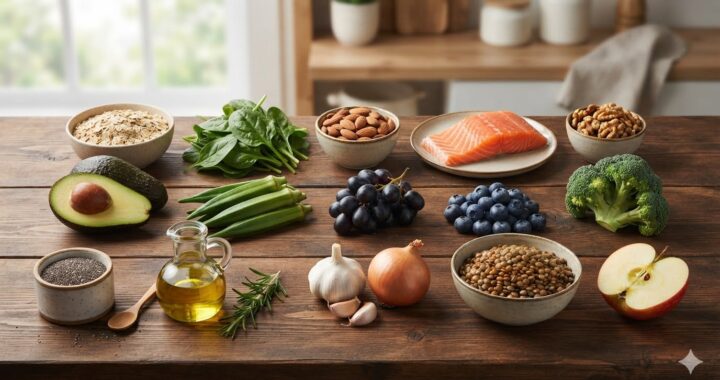

A healthy gut does much more than digest food. It supports your immune system, influences your mood, helps absorb nutrients, and even plays a role in heart and brain health. The trillions of bacteria living in your digestive tract—known as the gut microbiome—need the right foods to thrive.
If you’re looking to improve your digestion, reduce bloating, or simply maintain better overall health, adding gut-friendly foods to your daily meals is one of the easiest and most effective steps you can take.
In this guide, you’ll discover the best foods for gut health, why they work, and practical ways to include them in your diet.
Why Gut Health Matters
Your gut microbiome is home to beneficial bacteria that help:
* Digest food efficiently
* Produce essential vitamins
* Support immune function
* Reduce inflammation
* Maintain a healthy weight
* Improve nutrient absorption
* Protect against harmful bacteria
An unhealthy gut may contribute to digestive discomfort, fatigue, poor immunity, and chronic inflammation.
1. Yogurt
Yogurt is one of the best natural sources of probiotics—live bacteria that help restore balance in your gut.
Benefits
* Improves digestion
* Supports healthy gut bacteria
* May reduce diarrhea after antibiotics
* Rich in calcium and protein
**Tip:** Choose plain Greek yogurt with “Live and Active Cultures” and no added sugar.
2. Kefir
Kefir is a fermented milk drink containing dozens of beneficial probiotic strains.
Benefits
* More diverse probiotics than yogurt
* Supports immune health
* May improve lactose digestion
* Helps maintain microbial diversity
3. Sauerkraut
Sauerkraut is fermented cabbage packed with probiotics and antioxidants.
Benefits
* Supports healthy digestion
* Rich in vitamin C
* Contains beneficial enzymes
* Low in calories
Choose refrigerated, unpasteurized versions whenever possible.
4. Kimchi
Kimchi is a traditional Korean fermented vegetable dish.
Benefits
* High in probiotics
* Rich in fiber
* Contains vitamins A and C
* Supports immune function
5. Oats
Oats contain beta-glucan, a soluble fiber that feeds beneficial gut bacteria.
Benefits
* Promotes regular bowel movements
* Supports heart health
* Helps control blood sugar
* Keeps you full longer
6. Bananas
Bananas contain prebiotic fiber that nourishes healthy gut bacteria.
Benefits
* Easy to digest
* Helps restore gut balance
* Rich in potassium
* Supports digestive regularity
7. Garlic
Garlic acts as a natural prebiotic.
Benefits
* Feeds beneficial bacteria
* Contains antioxidants
* Supports immune health
* May reduce harmful bacteria growth
8. Onions
Like garlic, onions contain inulin and fructooligosaccharides (FOS), two powerful prebiotics.
Benefits
* Supports beneficial bacteria
* Improves digestion
* May strengthen immunity
9. Apples
Apples are rich in pectin, a fiber that promotes healthy gut bacteria.
Benefits
* Supports digestive health
* Helps maintain regular bowel movements
* Rich in antioxidants
10. Berries
Blueberries, strawberries, raspberries, and blackberries are excellent for gut health.
Benefits
* High in fiber
* Rich in polyphenols
* Feed beneficial bacteria
* Reduce inflammation
11. Beans and Lentils
Legumes provide both fiber and resistant starch.
Benefits
* Nourish gut bacteria
* Improve digestive regularity
* High in plant protein
* Support blood sugar control
12. Leafy Greens
Spinach, kale, and Swiss chard support healthy bacteria.
Benefits
* High in fiber
* Rich in vitamins
* Help reduce inflammation
13. Chia Seeds
Chia seeds are packed with soluble fiber.
Benefits
* Feed beneficial bacteria
* Promote regular digestion
* Help maintain hydration
* Support heart health
14. Flaxseeds
Ground flaxseeds provide fiber and omega-3 fatty acids.
Benefits
* Improve bowel regularity
* Support healthy gut microbes
* Reduce inflammation
15. Whole Grains
Whole grains like brown rice, quinoa, barley, and whole wheat provide valuable prebiotics.
Benefits
* Increase beneficial bacteria
* Improve digestive health
* Support healthy cholesterol levels
Foods That Can Harm Gut Health
Consider limiting:
* Highly processed foods
* Sugary drinks
* Excess alcohol
* Artificial sweeteners (for some people)
* Deep-fried foods
* Excessive processed meats
Eating these foods occasionally is fine, but a diet centered on whole foods is generally better for gut health.
Simple Daily Habits for a Healthy Gut
Along with eating gut-friendly foods:
* Drink plenty of water.
* Eat a variety of fruits and vegetables.
* Exercise regularly.
* Sleep 7–9 hours per night.
* Manage stress through relaxation techniques.
* Avoid unnecessary antibiotic use (only take them when prescribed).
Sample Gut-Healthy Meal Plan
| Meal | Foods |
| ——— | ——————————————- |
| Breakfast | Greek yogurt, blueberries, oats, chia seeds |
| Snack | Apple with almonds |
| Lunch | Grilled chicken, quinoa, spinach salad |
| Snack | Banana |
| Dinner | Salmon, roasted vegetables, brown rice |
| Dessert | Kefir smoothie |
Frequently Asked Questions
What food is best for repairing gut health?
Fermented foods like yogurt, kefir, kimchi, and sauerkraut, combined with high-fiber foods such as oats, beans, fruits, and vegetables, are among the best choices for supporting gut health.
How long does it take to improve gut health?
Many people notice digestive improvements within two to four weeks of consistently eating more fiber and probiotic-rich foods, though lasting changes to the gut microbiome may take longer.
Are probiotics better than prebiotics?
They work together. Probiotics add beneficial bacteria, while prebiotics feed those bacteria. A balanced diet should include both.
What drinks are good for gut health?
Kefir, plain yogurt smoothies, water, and unsweetened green tea can all support a healthy digestive system.
Is coffee good for gut health?
For many people, moderate coffee intake may support microbial diversity, but excessive caffeine can worsen digestive symptoms in sensitive individuals.
Final Thoughts
Supporting your gut health doesn’t require expensive supplements or complicated diets. A balanced eating pattern rich in fermented foods, fruits, vegetables, legumes, whole grains, and healthy fats can nourish your gut microbiome and improve overall well-being.
Small daily choices—like adding yogurt to breakfast, choosing whole grains over refined grains, or including more fiber-rich vegetables—can have lasting benefits for digestion, immunity, and long-term health.